
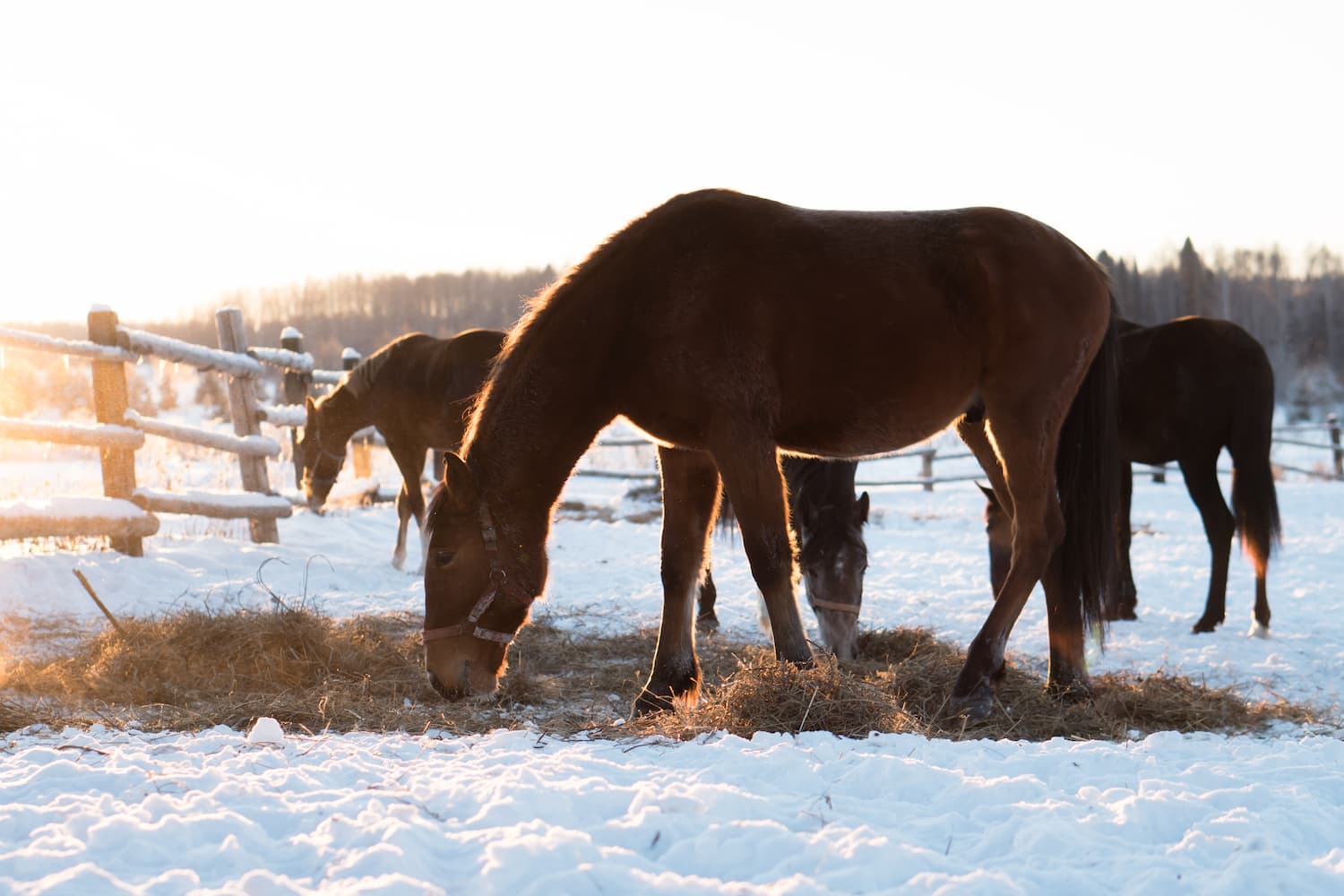
If you care for livestock or horses in Litchfield, CT, you’re probably already watching the forecast and counting the bales. As the days get shorter and the nights colder, you know just how much planning goes into keeping animals healthy through the winter. It’s not just about food and shelter. It’s about making sure every member of the herd is ready to face the months ahead.
A pre-winter health exam isn’t just a seasonal box to check. It’s a real opportunity to catch early signs of trouble, adjust care routines, and strengthen your animals’ resilience before snow, ice, and cold settle in. At Tri-State Veterinary Services, our veterinary team is here to support you every step of the way with personalized, hands-on care that helps your animals thrive in all seasons.
Why Schedule a Pre-Winter Exam?
Winter in the Northeast can be especially tough on livestock and horses. Colder temperatures increase calorie needs, limit access to grazing, and can aggravate existing health issues. For older animals, even a slight drop in temperature can lead to stiffness, weight loss, or lowered immunity.
Scheduling a seasonal wellness check helps prevent those issues before they become emergencies. Our goal is to give you practical, realistic ways to manage your animals’ health in cold weather and reduce your stress in the process. Whether you’re managing a working herd, a few retired horses, or a mix of species, a proactive winter plan can make a big difference.
What Our Veterinarian Will Check
When we visit your farm for a pre-winter exam, we’re not just checking off a list. We’re coming alongside you to make sure your animals are in the best possible shape to handle the season. These are some of the key things we look for during a cold-weather wellness check:
- Body Condition Score (BCS): We assess how much fat coverage your animals have going into the coldest time of year. If anyone is on the lean side, we’ll help you come up with a feeding plan to safely increase weight before winter hits its peak.
- Hoof and Mobility Checks: Frozen ground and icy footing can cause real problems, especially for animals already prone to stiffness or lameness. We’ll examine hooves and joints for pain, swelling, or signs of wear that might need attention. We can also talk about safe trimming schedules and options for improving traction and comfort.
- Dental Health: Whether you’re feeding hay, grain, or forage, dental issues can prevent animals from getting the full benefit of their feed. We’ll check for sharp points, broken teeth, or other concerns that might make chewing painful or inefficient.
- Vaccination Review: Winter brings unique risks, including respiratory illnesses and close-contact disease transmission. We’ll go over your vaccination records and make sure each animal has the protection they need, including updates for tetanus, rabies, and other regionally relevant illnesses.
- Parasite Control: While parasite activity may slow down in colder weather, they don’t disappear. We’ll recommend fecal testing or a winter deworming schedule based on your herd’s health history and risk level.
- Joint Health and Senior Support: Older animals often need extra help in winter. If we see signs of arthritis or stiffness, we can suggest supplements, pain management plans, or changes to your routine that can improve their quality of life.
We’re also here to listen. If you’ve noticed any recent changes in appetite, behavior, or mobility, this is the perfect time to bring it up. No one knows your animals better than you, and we’re here to support you with honest, compassionate care.
Feeding for the Cold Months
Your animals’ caloric needs can increase significantly during winter, especially when temperatures drop below freezing. Our veterinary team can help you determine how much hay or grain is appropriate based on each animal’s age, body condition, and workload.
In addition to energy needs, winter can also affect water intake. Cold water isn’t appealing, and frozen troughs can quickly lead to dehydration. We recommend checking water sources frequently and using tank heaters or insulated buckets if possible.
Many horses and livestock benefit from added salt, minerals, or digestive supplements during the winter months. You can find veterinarian-approved options in our online store, or we can help you select the right product during your exam.
Shelter, Bedding, and Safety
Windbreaks, dry bedding, and well-ventilated shelters go a long way toward keeping animals comfortable in cold weather. While not every animal needs a heated barn, they do need a place to stay dry, protected from wind, and safe from ice buildup.
If you use blankets for your horses, we’ll help you determine if they truly need it and how to manage blanketing safely. Overuse can interfere with natural temperature regulation, so choosing the right type and timing is key.
We also encourage you to observe your animals daily. Subtle changes in attitude, posture, or interaction with the herd can be early indicators of a health concern. If you see something, even if you’re unsure, reach out. We’re here to help you get ahead of any issue.
Special Considerations for Horses
Horses are especially vulnerable to certain winter issues. Reduced turnout can affect digestion, circulation, and joint health. Try to maintain a consistent routine that includes daily movement, even when weather limits outdoor time.
Icy conditions can also pose a risk for slips, falls, and hoof problems. Work with your farrier and veterinarian to manage hoof care during the winter. We can help you decide on the best trimming schedule and whether snow pads or studs are needed for safety.
Coat growth, blanketing, and body condition all work together to keep horses warm. If you clip your horse or have one that doesn’t grow a thick coat, we’ll work with you to balance blanketing, nutrition, and shelter for their specific needs. If something doesn’t feel right with your horse this winter, don’t wait to check in with your horse veterinarian near Litchfield.
Get Ahead of Winter with a Health Check for Your Herd
You care deeply for your animals, and it shows in everything you do. As winter approaches, a pre-season health check is a simple way to make sure they’re ready and to give yourself peace of mind.
At Tri-State Veterinary Services, we’re here to support you with trusted guidance, whether it’s nutrition, hoof care, or aging animal needs. Let’s work together to prevent problems before they start. Call us at (860) 459-0986 today. Shop winter care essentials in our online store.
You’re always there for your animals. Let us be there for you.
Image credit: Envato