
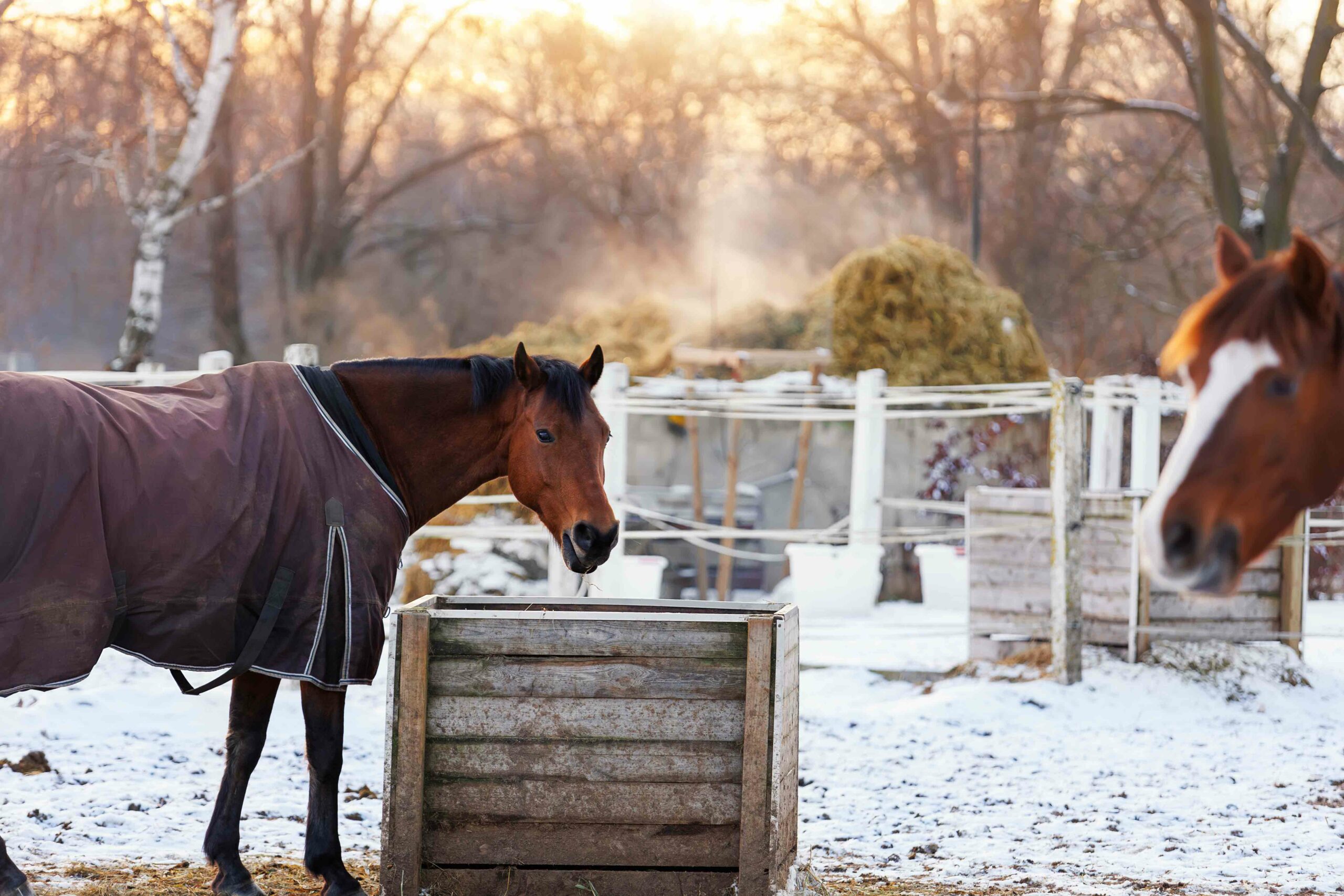
When the temperatures drop in,, your horse’s nutritional needs change in more ways than you might expect. Winter isn’t just a matter of throwing more hay into the feeder or adding an extra scoop of grain. To keep your horse healthy, energetic, and in peak condition, it’s important to focus on balanced nutrition that supports the body from the inside out.
At Tri-State Veterinary Services, we know how much you care about your horse’s wellbeing during the cold months. Whether your horse is a laid-back pasture companion or an active performance athlete, a well-balanced winter diet is key to maintaining strength, immunity, and stamina.
Let’s take a closer look at how you can fine-tune your horse’s nutrition this winter to support energy, overall health, and performance.
Why Balance Matters in Cold Weather
Horses use significantly more energy just to stay warm during the winter. While it’s tempting to think “more food equals better care,” winter feeding needs to be about nutritional quality and balance, not just quantity.
Imbalanced diets can lead to:
- Unintended weight loss or gain
- Weakened immune function
- Poor coat condition
- Digestive problems
- Low energy or inconsistent performance
A winter feeding plan should consider calorie sources, vitamin and mineral balance, water intake, and individual horse needs. This is where our veterinary team can offer valuable insight tailored to your horse.
Energy: Fueling Warmth and Work
Winter increases your horse’s basic energy requirements. Horses burn more calories just to maintain body heat, especially when the temperature drops below 45°F. Forage like hay becomes the foundation of energy production because its digestion creates internal warmth.
Hay for horses in winter should be high-quality, free of mold or dust, and fed in sufficient amounts, often 1.5–2% of your horse’s body weight daily.
If your horse is:
- Underweight
- In heavy work
- Older and struggling to hold weight
…you may need to add extra fat to the diet, such as rice bran or flaxseed, to boost calories without the risks associated with excessive grain. Concentrates (grain) can help as well, but need to be introduced or increased slowly to avoid digestive upset.
Horses in work or training will also benefit from a feeding program that supports muscle recovery, stamina, and sustained energy release.
Health: Supporting the Immune System and Digestion
Winter is stressful on the immune system. Horses often face cold stress, increased confinement, and limited fresh pasture, all of which can affect digestive health and immunity.
Key nutrients that support immune function include:
- Vitamin E
- Vitamin A (often reduced in hay-based diets)
- Selenium and zinc
A forage-only diet may not provide enough of these, especially when fresh grass isn’t available. Our veterinary team can recommend safe supplementation based on your horse’s forage analysis and workload.
Hydration also plays a major role in overall health. Horses tend to drink less when water is cold or partially frozen, which can lead to dehydration and increase the risk of impaction colic. Encourage water intake by offering lukewarm water, adding salt to the diet, or soaking hay pellets or beet pulp.
Performance: Maintaining Condition and Stamina in Winter
Performance horses don’t get the winter off. Whether you’re continuing light training, trail riding, or prepping for spring competitions, your horse still needs a balanced intake of protein, energy, and minerals to maintain top form.
A high-quality protein source is critical for muscle repair and maintenance, especially if your horse is still in regular work. Don’t overlook electrolytes and digestive support either, especially if your horse tends to be sensitive to feed changes or environmental stress.
If your horse is losing muscle, has a dull coat, or shows reduced energy, these may be signs that the current diet isn’t fully supporting performance needs.
Our veterinary team is happy to help you design a performance-oriented diet plan that considers the individual needs of your horse, not just the season.
How to Know If the Diet Is Working
Monitoring your horse’s weight and condition is key during the winter months. A visual check isn’t always enough, especially with fluffy winter coats hiding subtle changes.
Use your hands to feel for:
- Ribs
- Spine
- Shoulder and hip coverage
The horse body condition score (BCS) system, ranging from 1 to 9, is a reliable tool. A winter-appropriate score is typically between 5 and 6. If you notice a drop in condition or signs like a rough coat, low energy, or behavior changes, it’s time to re-evaluate the feeding plan.
Scheduling a check-up or nutrition consultation with our veterinary team can help you get back on track before issues develop.
A Few Extra Winter Tips
While nutrition plays a central role in winter health, there are a few extra things you can do to support your horse through the colder months:
- Store hay in a dry, protected space to preserve quality
- Use slow feeders to promote longer chewing and reduce boredom
- Provide access to shelter and adjust blanketing based on weather and conditions
- Keep a regular deworming and dental care schedule
For extra winter support, we also offer a selection of equine supplements and feed products in our online store.
Your Horse’s Health Starts With the Right Nutrition
Feeding your horse through the winter isn’t just about getting through the season. It’s about supporting a strong immune system, steady energy levels, and the performance you rely on all year long.
Whether your horse is aging, actively working, or simply enjoying pasture life, the right diet makes all the difference. If you’re unsure about how to balance your horse’s nutrition this winter, our veterinary team at Tri-State Veterinary Services in Litchfield, CT is here to help.
Make an appointment today by calling (860) 459-0986, and let’s build a winter feeding plan that keeps your horse feeling their best inside and out.
Image credit: Envato