
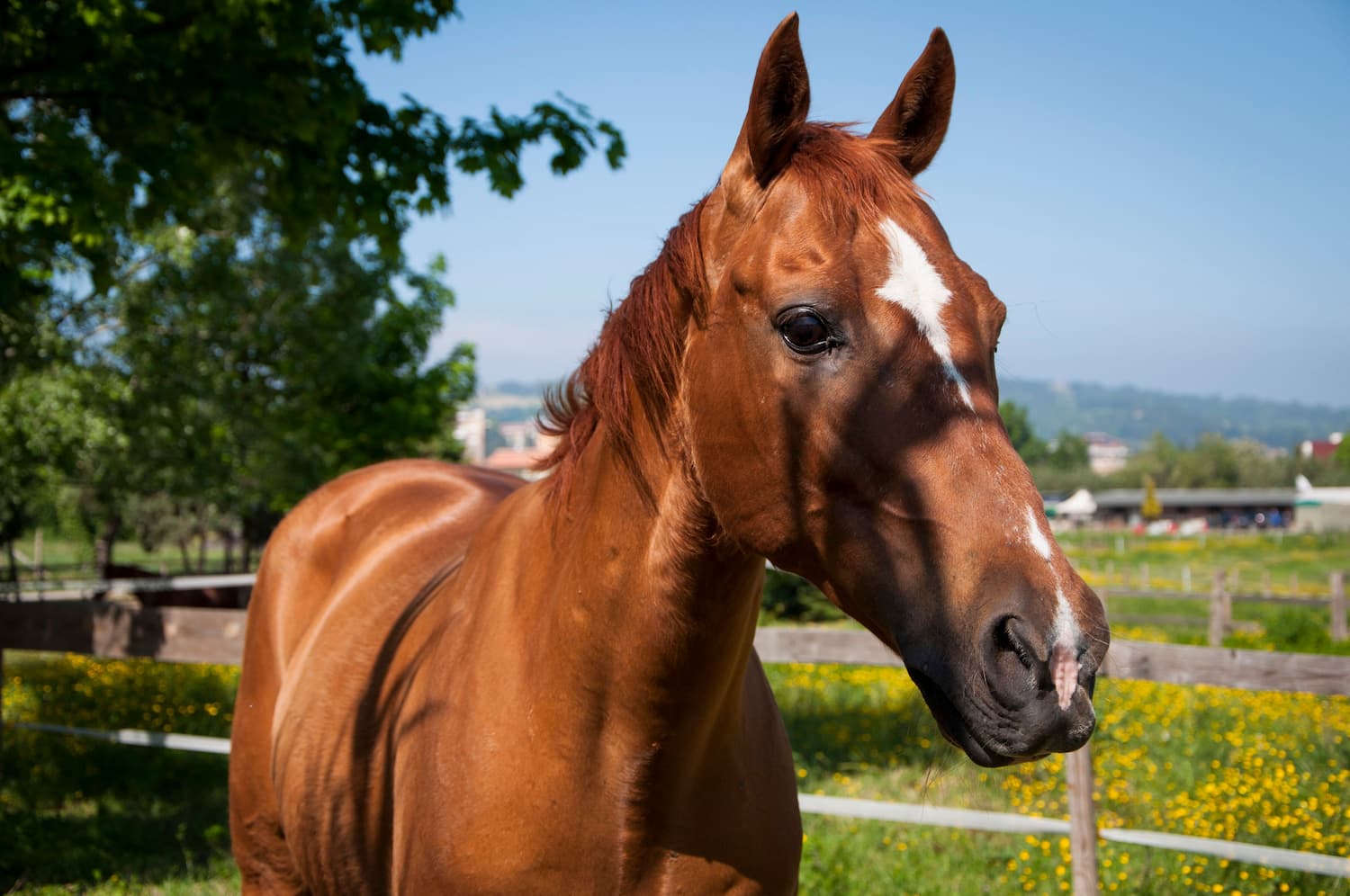
Summer in Litchfield County brings more opportunities to ride, train, and compete with your horse, but it also brings higher temperatures and humidity that can increase the risk of heat stress. Recognizing the early signs of overheating and responding quickly can help prevent a serious medical emergency. Here’s what every horse owner should know to keep their horse safe during Connecticut’s hottest months.
Why Connecticut Summers Can Be Hard on Horses
Horses regulate their body temperature primarily through sweating. As sweat evaporates, it helps cool the body. During humid Connecticut summers, evaporation becomes less effective, making it harder for horses to release excess heat. This means a horse can overheat even when the temperature seems manageable.
Heat stress is more likely during strenuous exercise, long trail rides, hauling, competitions, or any activity that limits a horse’s ability to cool down. A lack of shade, poor airflow, or inadequate water intake can increase the risk even further.
Checking both the air temperature and the heat index before riding is a good habit. Humidity often plays just as large a role as the temperature itself.
Which Horses Face the Highest Risk?
While any horse can develop heat stress, some are more susceptible than others.
These include:
- Performance and competition horses that exercise intensely.
- Trail horses covering longer distances over varied terrain.
- Horses traveling to local shows, clinics, or events.
- Senior horses and young foals.
- Overweight horses.
- Horses with underlying medical conditions.
- Horses that are not yet acclimated to warmer weather.
- Horses housed in areas with limited shade or poor ventilation.
Knowing your horse’s normal behavior, fitness level, and recovery time after exercise can help you recognize when something isn’t right.
Signs of Heat Stress Every Horse Owner Should Know
Heat stress often begins with subtle changes that can easily be overlooked. The earlier you recognize these warning signs, the sooner you can begin cooling your horse and contact your veterinarian if needed.
Early warning signs include:
- Heavy or excessive sweating.
- Rapid breathing that does not improve with rest.
- Elevated heart rate.
- Fatigue or decreased performance.
- Reluctance to continue exercising.
- Longer recovery time after activity.
Without prompt intervention, heat stress can progress to heat exhaustion or heat stroke.
Emergency signs include:
- A body temperature that remains elevated despite rest and cooling.
- Little or no sweating.
- Muscle tremors.
- Weakness or stumbling.
- Depression or disorientation.
- Signs of dehydration, including tacky gums or delayed skin elasticity.
- Collapse.
Heat stroke in horses is a life-threatening emergency. Immediate veterinary care is essential to reduce the risk of organ damage and other serious complications.
What to Do Before Our Veterinarian Arrives
If you suspect your horse is suffering from heat stress, quick action can make a significant difference.
Immediately stop all exercise and move your horse to a shaded area or a location with good airflow. Begin cooling your horse by applying cool water over the neck, shoulders, chest, and large muscle groups. Scrape away the warmed water and continue applying fresh cool water to keep the cooling process effective.
If fans are available, use them to improve air circulation and speed evaporation. Offer fresh, clean water if your horse is alert and willing to drink. Hydration plays an important role in recovery.
Continue monitoring your horse’s temperature, breathing, and heart rate while contacting our veterinary team. If your horse is weak, collapses, stops sweating, or does not improve with cooling efforts, seek veterinary care immediately. Waiting too long can increase the risk of complications involving the muscles, kidneys, heart, and other organs.
Preventing Heat Stress During Litchfield’s Summer Months
Many cases of heat stress can be avoided with thoughtful planning and good daily management. A few simple adjustments to your routine can go a long way toward protecting your horse during periods of hot, humid weather.
Consider these practical tips:
- Ride or train during the cooler morning or evening hours.
- Reduce the intensity or duration of exercise on hot or humid days.
- Provide unlimited access to clean, fresh water at all times.
- Ensure turnout areas offer adequate shade.
- Allow horses to gradually acclimate as temperatures rise during the summer.
- Ask our veterinarian whether electrolyte supplementation is appropriate for your horse’s workload and health.
- Plan trailer trips carefully and avoid hauling during the hottest part of the day whenever possible.
- Take frequent breaks during rides and training sessions.
- Monitor your horse closely after exercise until breathing and heart rate return to normal.
- Pay attention to the heat index, not just the outdoor temperature.
Routine wellness examinations are also an excellent opportunity to discuss your horse’s fitness, hydration, and any health conditions that could increase the risk of heat-related illness.
When to Call Your Equine Veterinarian
Although mild overheating may improve with prompt cooling, some situations require immediate veterinary attention.
Contact our veterinary team right away if your horse:
- Has a persistently elevated body temperature after cooling efforts.
- Continues to breathe rapidly or has a high heart rate.
- Stops sweating despite hot weather.
- Appears weak, confused, or uncoordinated.
- Refuses to drink water.
- Shows signs of severe dehydration.
- Collapses or becomes unresponsive.
Prompt veterinary care allows your horse to receive a thorough evaluation and supportive treatment, such as fluid therapy and monitoring for complications. Early intervention often improves recovery and helps reduce the likelihood of long-term health problems.
Mobile Equine Veterinary Care in Litchfield, CT
Heat-related emergencies can happen at home, on the trail, or while traveling to an event. Having an experienced mobile equine veterinary team available provides peace of mind when every minute counts.
Tri-State Veterinary Services provides mobile equine veterinary care for horse owners throughout Litchfield, CT, and the surrounding Connecticut, Massachusetts, and New York tri-state area. Our veterinary team combines science-based medicine with practical guidance to help owners make informed decisions about their horses’ health. Whether your horse needs emergency treatment, preventive care, or a wellness evaluation before the busiest part of the riding season, we are here to help.
You can also visit our online store to shop for veterinarian-recommended products that support your horse’s health and wellness throughout the year.
Keep Your Horse Comfortable and Healthy This Summer
Hot weather is part of life in Connecticut, but heat stress does not have to be. By recognizing the warning signs early, adjusting your horse’s routine during periods of high heat and humidity, and seeking veterinary care when needed, you can help your horse stay healthy all season long.
If you have questions about preventing heat stress or your horse is showing signs of overheating, contact Tri-State Veterinary Services. Our experienced veterinary team proudly provides mobile equine veterinary care throughout Litchfield, CT, and the surrounding tri-state region.
Call Tri-State Veterinary Services at (860) 459-0986 to speak with our team, request an appointment online or visit our online store for veterinarian-recommended products that support your horse’s health year-round.
Image credit: Envato