
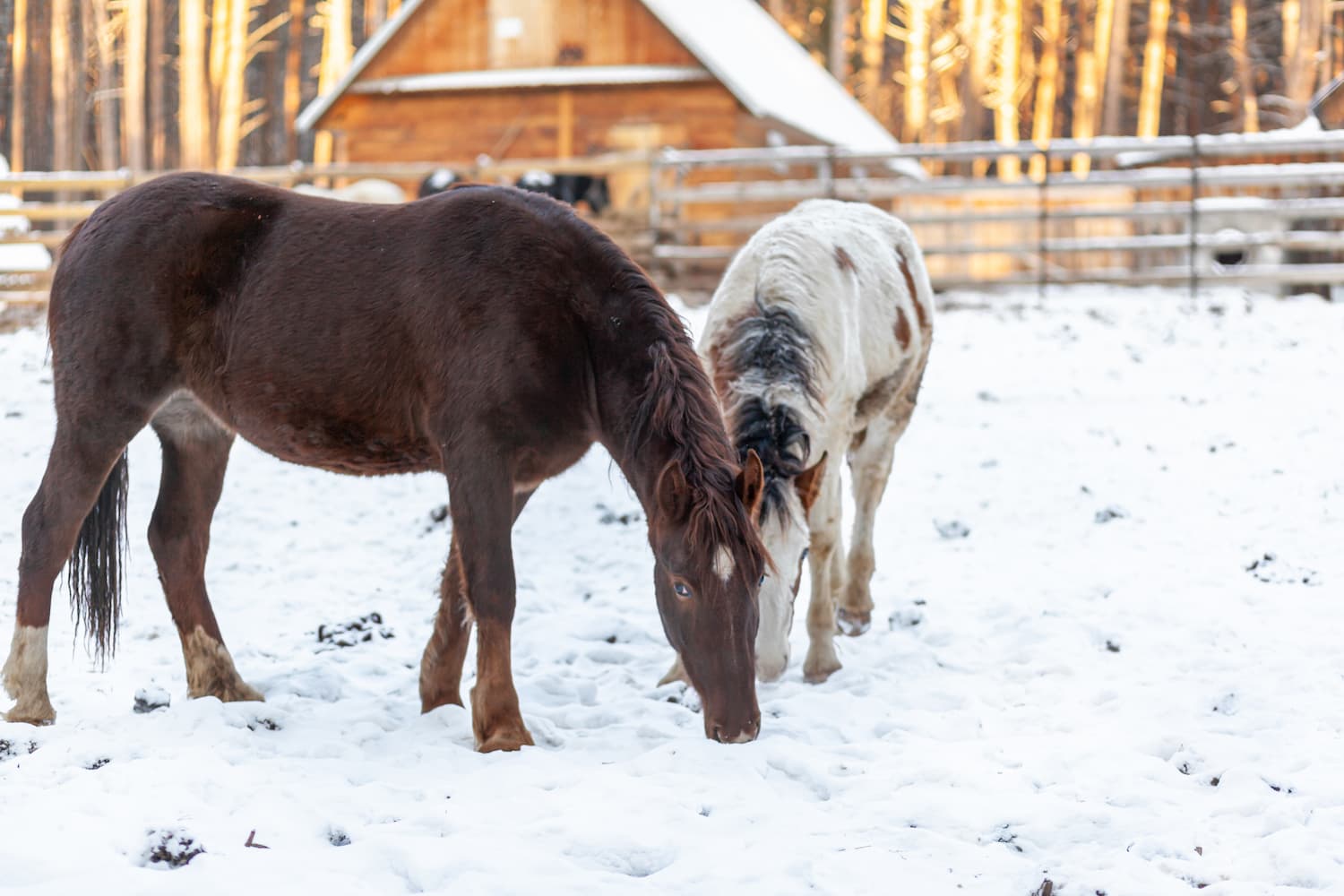
As October brings cooler mornings and shorter days to Connecticut, Massachusetts, and New York, farm owners know that winter is just around the corner. While the changing leaves make for beautiful scenery, they also signal that it’s time to prepare your horses and livestock for the colder months ahead. From checking hay supplies to scheduling veterinary visits, a little preparation now can make a big difference in keeping your animals healthy and comfortable all winter long.
At Tri-State Veterinary Services in Litchfield, CT, our veterinary team understands the challenges of caring for large animals during New England winters. Here’s a practical October farm checklist to help you get ready before the first snowfall.
Why October Is the Perfect Time for Winter Farm Preparation
Preparing horses and livestock for winter is easier when you start before freezing temperatures arrive. October gives you time to assess your animals’ health, make necessary repairs, and stock up on essential supplies.
Cold weather can increase nutritional demands, limit access to fresh water, and create slippery conditions around barns and pastures. Addressing these concerns early helps reduce stress for both you and your animals.
Your October Winter Farm Checklist for Horses and Livestock
1. Evaluate Body Condition and Winter Feeding Needs
Keeping horses and livestock at a healthy weight is especially important during winter. Animals burn more energy maintaining body temperature in cold conditions, particularly when exposed to wind and moisture.
Start by evaluating each animal’s body condition and reviewing your feeding program. Older horses, growing animals, and livestock with higher nutritional demands may require special attention.
Before temperatures drop:
- Check hay quality and calculate how much forage you’ll need throughout winter.
- Evaluate body condition and adjust feeding plans based on species, age, and health.
- Store hay and grain in dry, protected areas to prevent spoilage.
If you’re unsure whether your animals are receiving adequate nutrition, our veterinarian can help assess their condition and recommend appropriate dietary adjustments.
2. Make Sure Fresh Water Is Always Available
Did you know that horses may drink less water during cold weather? Unfortunately, reduced water intake can increase the risk of impaction colic.
Cattle, sheep, goats, and other livestock also need consistent access to clean, unfrozen water to support digestion and overall health.
Inspect automatic waterers, heated buckets, and water tanks before freezing temperatures arrive. Check electrical connections for safety and establish a backup water plan in case of power outages.
Even during the coldest days, regularly monitor water availability and consumption.
3. Inspect Barns, Shelters, and Pastures
A safe, dry shelter makes winter more comfortable for horses and livestock. October is an excellent time to inspect barns, run-in sheds, fencing, and pasture drainage.
Look for leaking roofs, damaged gates, drafts at animal level, and areas where water collects. While protection from cold winds is important, barns still need proper ventilation to reduce moisture and respiratory irritation.
Provide clean, dry bedding and make sure animals have enough space to rest comfortably.
For outdoor livestock, accessible windbreaks and shelter from precipitation are especially valuable during severe weather.
4. Schedule Fall Veterinary Health Checks
One of the best ways to prepare farm animals for winter is to address health concerns before harsh weather arrives.
A fall veterinary visit allows our veterinarian to evaluate your animals’ overall health and discuss preventive care based on their individual needs.
Your fall health checklist may include:
- Reviewing vaccinations and species-specific disease risks.
- Discussing parasite management and appropriate fecal testing.
- Evaluating dental health, hoof condition, and body weight.
- Addressing chronic health concerns before winter.
For horses, dental discomfort can interfere with chewing hay, making it harder to maintain weight. Similarly, untreated health problems in livestock may become more challenging to manage during prolonged cold weather.
Our veterinary team at Tri-State Veterinary Services can help you develop a seasonal health plan for your animals.
5. Prepare Hooves and Walking Areas for Ice and Snow
Frozen mud, packed snow, and icy surfaces can create dangerous footing for horses and livestock.
Schedule routine hoof care before winter and inspect high-traffic areas around barns, gates, and feeding stations.
Horse owners should discuss winter shoeing and traction options with their farrier based on their horse’s needs and environment.
Keeping pathways clear and improving drainage can also help reduce slips and injuries.
6. Consider Each Species’ Winter Health Needs
Not every farm animal handles cold weather the same way. Age, body condition, coat condition, and overall health all influence how well animals tolerate winter conditions.
- Horses: Monitor water intake, body condition, and manure production. Watch for signs of colic, especially when feeding routines or water consumption change.
- Cattle: Provide adequate forage, wind protection, and reliable water access. Pay particular attention to calves and animals with increased nutritional demands.
- Sheep and goats: Maintain dry bedding, protect vulnerable animals from wet and windy conditions, and monitor nutritional needs during pregnancy and lactation.
If you notice changes in appetite, behavior, mobility, or general health, contact our veterinary team for guidance.
Don’t Forget Your Winter Farm Emergency Plan
Winters across Connecticut, Massachusetts, and New York can bring heavy snowfall, freezing rain, and unexpected power outages. Having an emergency plan helps protect your animals when conditions become difficult.
Keep extra feed and bedding available, identify backup water sources, and check that emergency equipment is working properly.
It’s also wise to keep veterinary contact information easily accessible.
For animal health products and seasonal supplies, visit the Tri-State Veterinary Services online store.
A Healthy Winter Starts With October Preparation
Winter farm care doesn’t have to feel overwhelming. By taking small steps throughout October, you can help your horses and livestock stay healthy, comfortable, and ready for whatever New England weather brings.
Whether you’re managing a few horses or caring for an entire livestock herd, our veterinary team is here to support your animals through every season.
Contact Tri-State Veterinary Services in Litchfield, CT, at (860) 459-0986 to discuss fall veterinary care and winter health planning for your horses and livestock.
Image credit: Envato