
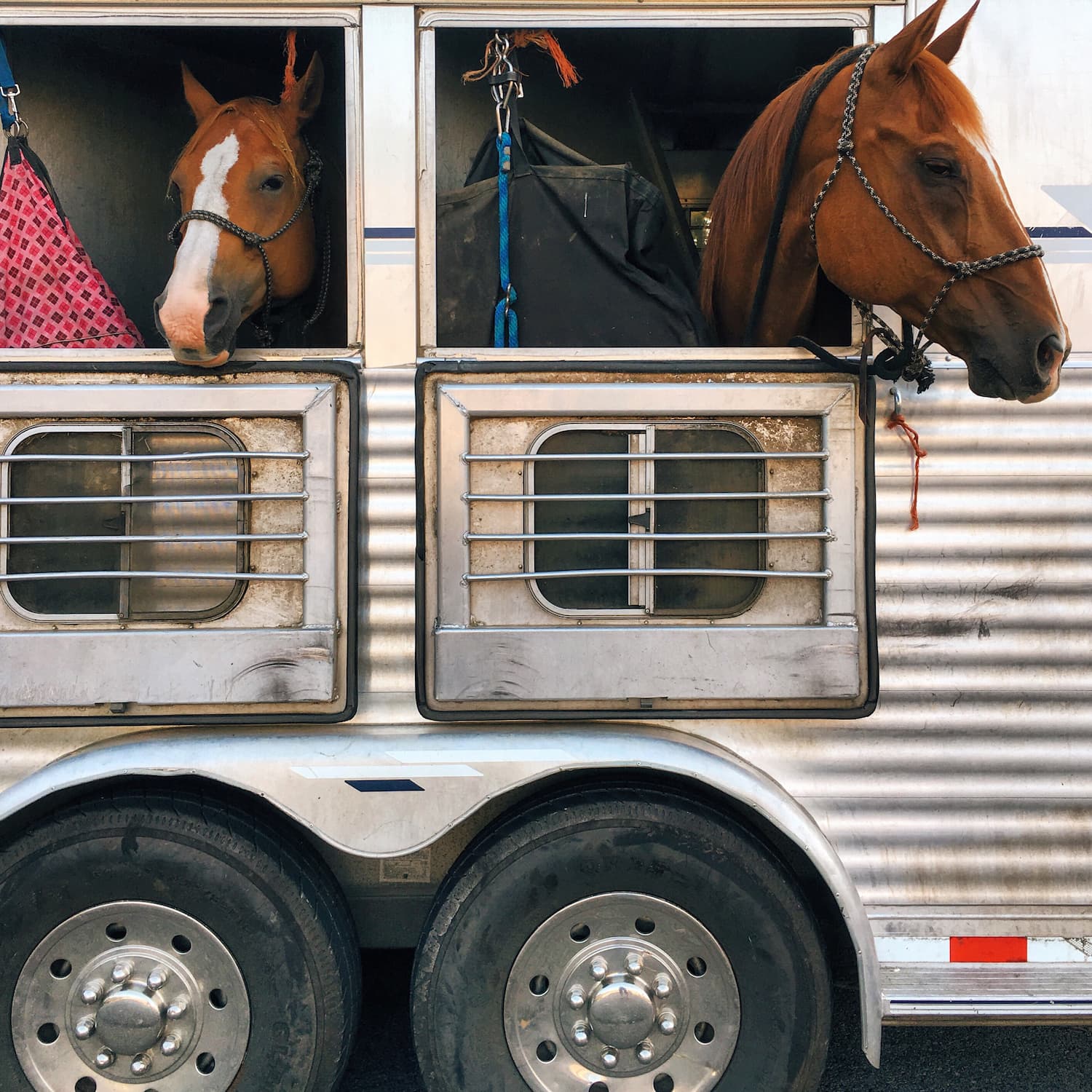
Traveling with your horse can mean an exciting competition, a new trail, a breeding appointment, a sale, or a move to a new barn. Before you pull out of the driveway, though, there is more to prepare than the trailer and tack. Interstate horse travel often involves health documentation, testing, and other preparations that deserve attention well before departure.
For horse owners in Litchfield and throughout Connecticut, planning ahead can make travel easier while helping protect your horse and the animals you encounter along the way. Our veterinary team at Tri-State Veterinary Services can help you understand the health preparations that may apply to your trip.
Start With Your Horse’s Interstate Travel Requirements
Horse interstate travel requirements can differ by state and may change based on your destination, length of stay, event, and reason for traveling. Shows, sales, boarding facilities, and other venues may also have their own requirements.
Before leaving Connecticut, check the current animal health requirements for your destination and any states you will enter. Give yourself plenty of time to obtain the necessary testing and documentation.
Does Your Horse Need a Certificate of Veterinary Inspection?
Many interstate trips require a Certificate of Veterinary Inspection, or CVI. Horse owners may also hear this document called an equine health certificate.
A CVI documents your horse’s health status at the time of examination and contains identifying information about the horse, origin, and destination. Our veterinarian can examine your horse and determine whether the appropriate documentation can be issued.
The timing matters because health certificates are generally valid for a defined period, and individual states can set their own requirements. Contacting our veterinary team early allows time to review your plans and prepare the documents your horse may need.
Plan Ahead for Your Horse’s Coggins Test
A Coggins test for horses checks for antibodies to Equine Infectious Anemia, or EIA. EIA is a viral disease that can be transmitted by blood-feeding insects or contaminated equipment.
Proof of a current negative Coggins test is commonly required for interstate travel and entry into horse shows, competitions, sales, and boarding facilities.
Do not assume last year’s paperwork will work for your upcoming trip. Check the requirements for both your destination and event, then schedule testing early enough to receive results before departure.
Review Vaccinations Before Traveling
Travel can bring horses into contact with unfamiliar animals, environments, insects, and disease risks. Before a trip, ask our veterinarian to review your horse’s vaccination history.
Recommendations for horse travel vaccinations may depend on:
- Your horse’s age, health, and vaccination history
- Where and when you are traveling
- Whether your horse will attend shows or other horse gatherings
- The diseases your horse may encounter along the way
Your horse’s needs are individual, so a pre-travel conversation with our veterinary team can help you make informed decisions.
Protect Your Horse From Parasites and Insects
Mosquitoes, flies, ticks, and internal parasites do not respect state lines. Your horse’s risks may change as you travel into different regions or environments.
Talk with our veterinarian about appropriate parasite and insect control before your trip. If you need products your horse already uses, you can also visit the Tri-State Veterinary Services online store and prepare before travel day arrives.
Prepare Your Horse for the Physical Stress of Travel
Even experienced travelers can find long trailer rides tiring. Good planning can make the trip safer and more comfortable.
Pay close attention to hydration, trailer ventilation, temperature, footing, feeding, and appropriate rest. Bring familiar feed and consider bringing water from home, especially if your horse is reluctant to drink unfamiliar water.
During and after the journey, watch for changes in appetite, water intake, manure production, attitude, breathing, or energy. If something seems unusual, contact a veterinarian promptly.
Pack a Horse Travel Health Kit
Along with your tack and equipment, keep important health information and supplies easy to reach. Your travel kit may include:
- CVI, negative Coggins documentation, and other required records
- Horse identification and emergency contact information
- Regular medications with clear instructions
- Basic equine first-aid supplies
- Familiar feed and an adequate water supply
- Contact information for veterinary care at your destination
Keep original or accepted digital health documents available rather than packing them somewhere difficult to access.
Know the Signs of Illness Before You Load the Trailer
Take a close look at your horse before departure. A horse showing signs of illness may need veterinary evaluation instead of a trailer ride.
Contact our veterinary team if you notice concerns such as fever, coughing, nasal discharge, diarrhea, poor appetite, lethargy, or behavior that is unusual for your horse. Traveling with an ill horse can worsen health concerns and potentially expose other animals.
Returning to Connecticut? Keep Biosecurity in Mind
Health precautions should continue after the trailer comes home. Horses returning from competitions, shows, sales, and unfamiliar barns may have encountered animals with different health histories.
Avoid sharing buckets, tack, grooming supplies, or other equipment unnecessarily while traveling. After returning home, monitor your horse closely for signs of illness and consider limiting direct contact with other horses when appropriate. If your horse develops a fever, respiratory symptoms, diarrhea, or another concerning change, contact our veterinary team.
A Healthier Start to Your Next Horse Trip
A smooth journey starts before your horse steps onto the trailer. Checking horse travel requirements in Connecticut, arranging a horse health certificate, completing a Coggins test, and reviewing preventive care can help you leave home prepared.
Tri-State Veterinary Services provides equine veterinary care for horse owners in Litchfield, CT and throughout the CT, MA, and NY tri-state area. If you have an upcoming trip, call our veterinary team at (860) 459-0986 to discuss your horse’s destination, health documentation, testing, and pre-travel needs.
Image credit: Envato